

Ok. I know. It’s been a bit. It’s been quite a season since my last write. The seasons have been seasoning. With extra pepper. As in…eh?
But. We’re here.
So, I have plenty of stuff to talk about, walai. I do. However, I figured it would be nice to drop something different, y’know? I was inspired by someone really cool to dip more into my storytelling chops, fictional or semi-fictional storytelling. She wanted more stories from me, and I said, why not? So, I’ve been cooking.
By the way, Refraction is still in play. Recipe is done. Ingredients are being gathered.
Now, I was in Kigali about three weeks ago, and I found myself in the midst of what I would call a Twin takeover. Long story short, in a group of 35 Fellows and 5 faculty comprising Cohort 4 of the Public Sector Fellowship, we had three TwinMakers (as in design, build, delivery, and raising of twins), two Fellows who were twins, and to top it off well well, we also had a triplet in the house. That was crazy, and it inspired me to dust off a short story memo I had written about four years ago, and crank out the thing during my twelve-hour flight back from a summit this Saturday.
I will sharrap now, and let you chow down on this Fashi Short. Please brew some tea or pour out some chin-chin (or whatever they call it in your hood), and enjoy.
🙂

A comic story about a West African couple chasing twins.
Chapter 1

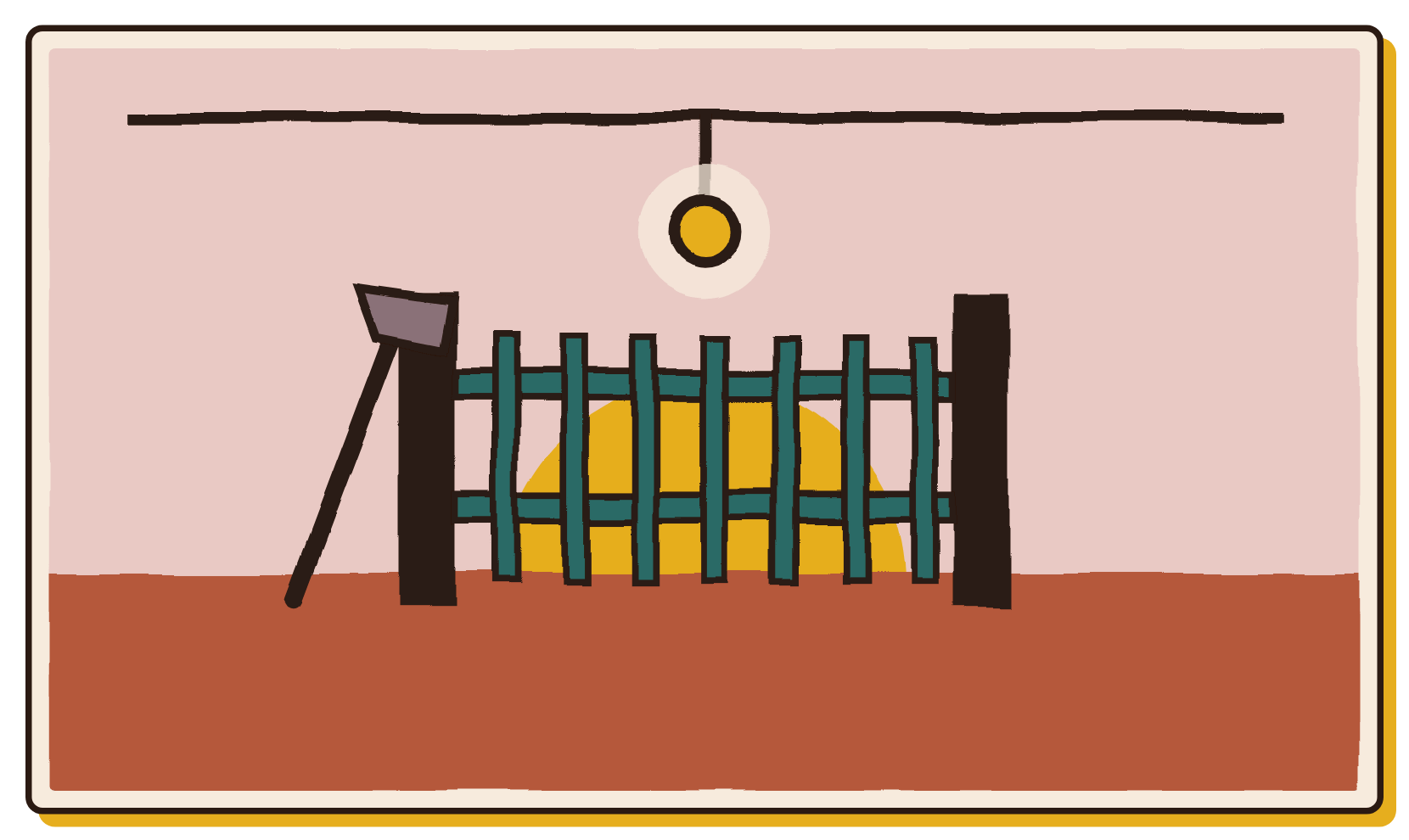
Everybody called the farmer Deacon, though no church had ever ordained him. He was more Christian than Jesus Christ himself, and at five in the morning, at the gate of his yam farm, he was in full Deacon mode.
He stood under a single bulb with a Bible under one arm and a hoe under the other. Kneeling before him in the red mud, in a neat row like a choir photograph, were the couples who had travelled a very long way for one Yam.
“Oya, Our Father,” Deacon said, his eyes squinting suspiciously at the lineup in front. “One voice per couple. Out loud.”
Mohamed went first. That was his modus operandi: go first, or don’t even be going at all. Five years of Catholic morning assembly, paid for by a father who was certain his Muslim son would become the greatest president the country had ever seen, and would therefore need to speak fluently to both of God’s departments.
He prayed with a vengeance. The kingdom came. The daily bread was requested with feeling. Trespasses were forgiven in both directions.
“...and deliver us from evil. Amen.”
Silence. Somewhere in Deacon’s backyard, a cock crowed remorsefully.
Deacon’s left eyebrow rose very slowly, the way a checkpoint officer’s does when he is meeting resistance from a mumu who does not realise who he is dealing with now now.
Beside Mohamed, Fatmata gave her husband a side eye.
You are probably wondering how a Muslim man from The Town That Says It Is Free ended up, a whole region away, on his knees at dawn in Yorubaland, Nigeria, botching a prayer every African who went to boarding school knows by heart.
Chapter two

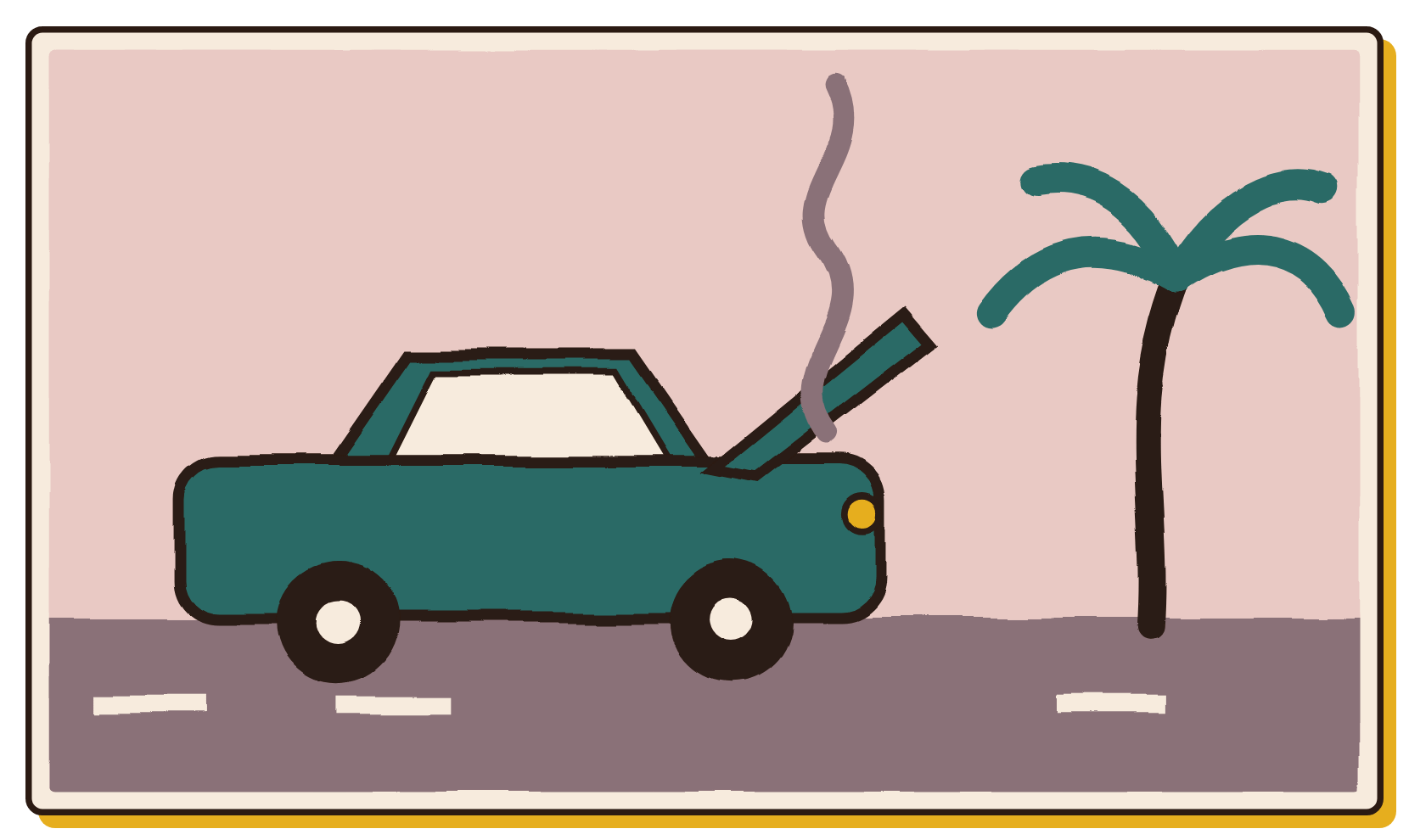
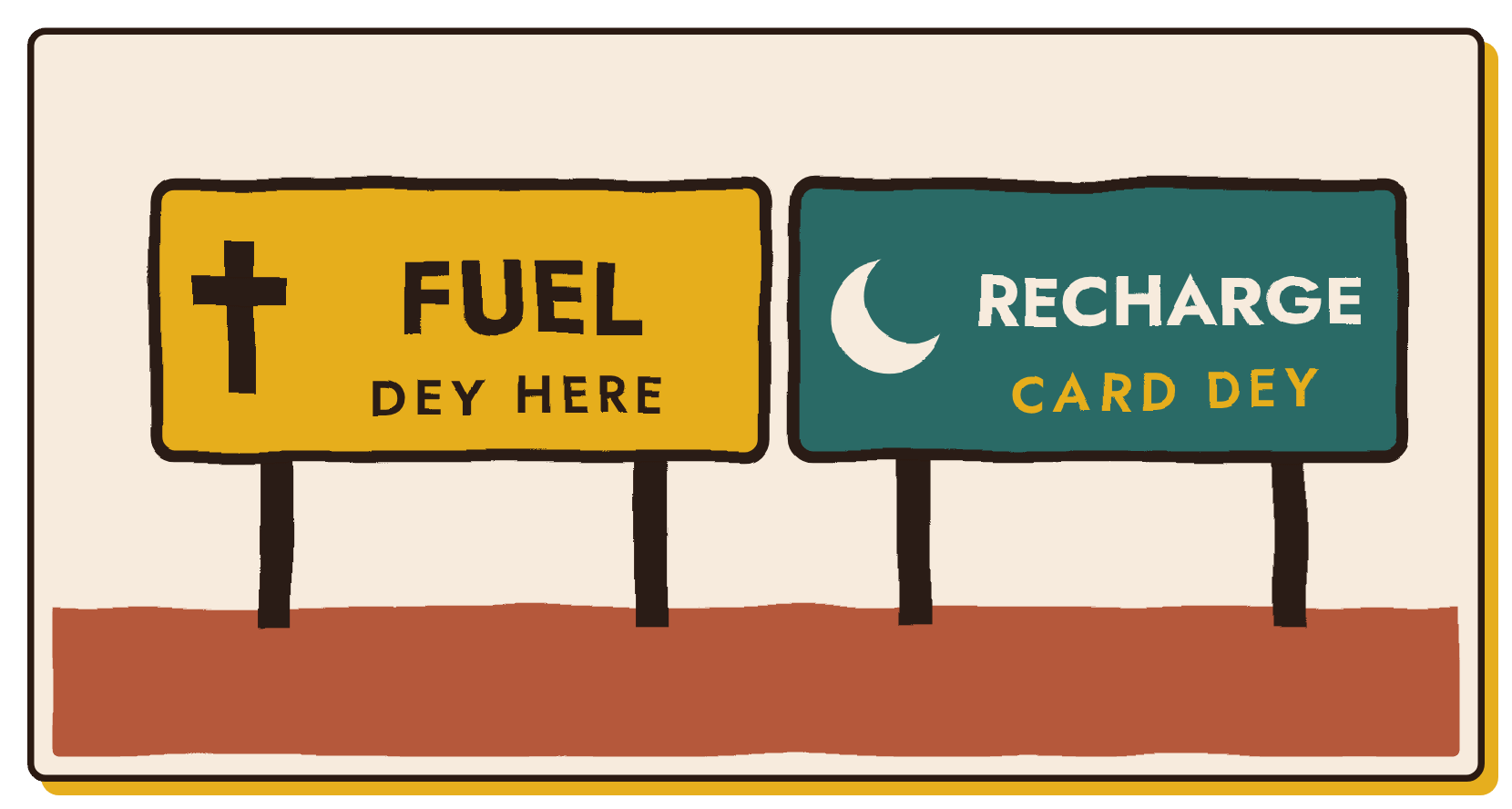
The afternoon before, the car died on a road with no name, between a church that sold fuel and a mosque that sold recharge cards. Smoke left the bonnet in a thin, apologetic line.
“You said this car was reliable,” Fatmata said.
“The man said it was reliable.”
Fatmata did not answer. She stood with her hands on her hips and looked down the empty road, one way and then the other, for a long time.
“We will still reach before dark,” Mohamed said.
“Like how you said we would have twins by our second anniversary?”
“Your father asked for credentials, Fatmata. A man must present credentials.”
“Four years. No pikin. Not one, talk less of two.”
“And that is why we are here. Musu said the Yam never fails.”
“Musu said. So we took leave from our busy jobs, flew over half of West Africa from The Town That Says It Is Free, survived that arrival hall in Nigeria where you nearly slide-tackled a customs officer, and rented this car from a man who swore on his mother’s grave. All for one yam.”

“He started it,” Mohamed said.
Fatmata shook her head. “And Musu sent me that voice note at two in the morning and said tell nobody. Then she went quiet for a week. You know what Musu’s quiet means.”
“It means she is praying.”
“It means she is packing.”
Two mechanics had already come and gone that afternoon. One looked under the bonnet and shook his head like a doctor. The other asked whether they had family nearby.
The third walked out from behind the church that sold fuel, already wiping his hands, as if he had been expecting them. He was a slim man in a singlet, with the unbothered face of someone who had made peace with engines long ago. He looked under the bonnet for about ten seconds.
“Na the radiator. Twenty minutes.”
Mohamed hugged him. A full hug, with patting.
The mechanic stood still and chill, like a man waiting for rain to pass.
“Oga,” he said, once released. “That one na extra. You don enter my private space. Private space get price.”
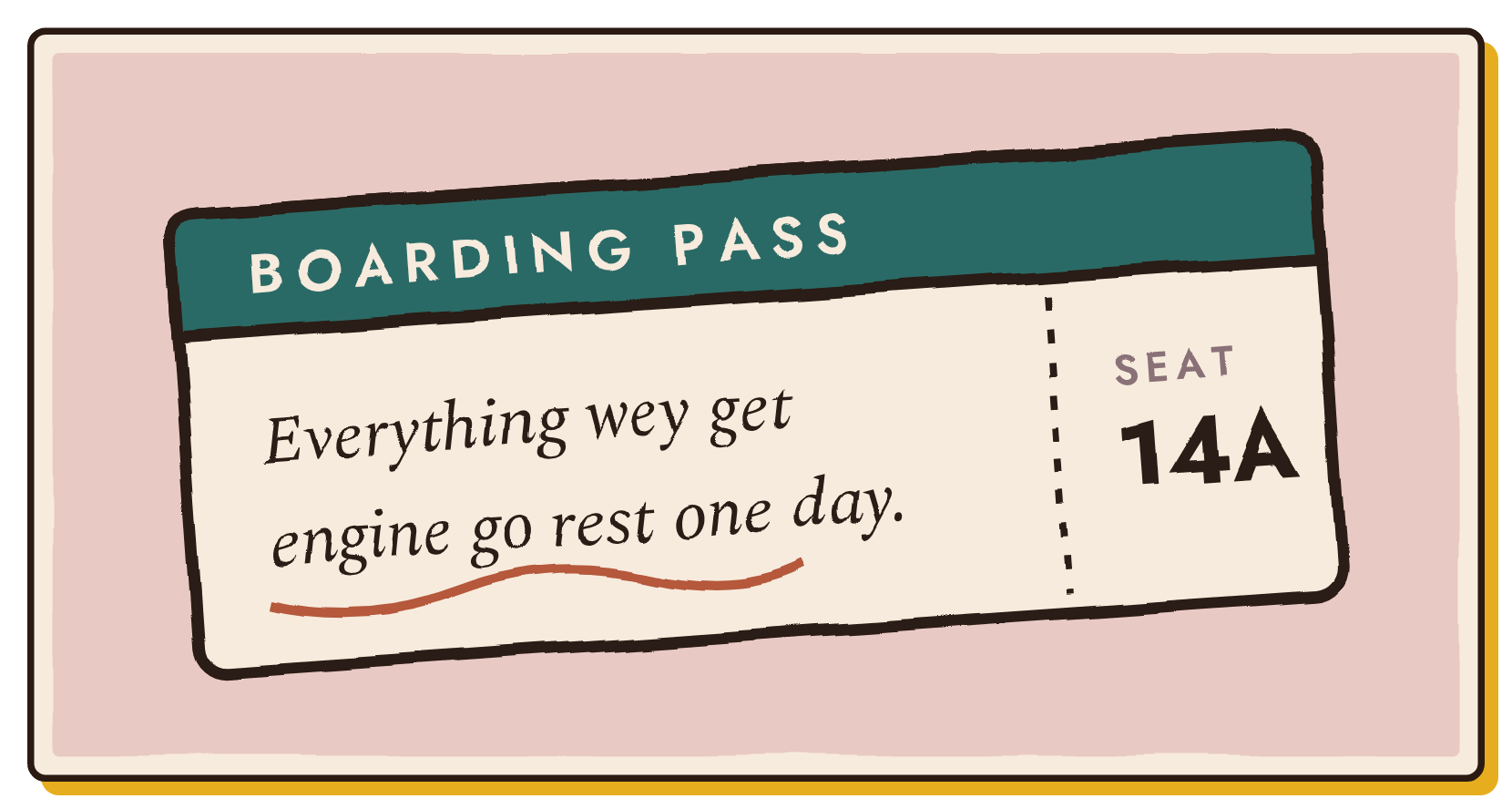
He worked without hurry, and as he worked he spoke without looking up. “My brother, the car no spoil because of you. E spoil because e be car. Everything wey get engine go rest one day.”
Mohamed shook his head in amazement. Fancy finding a full-blown philosopher under the bonnet of a broken car. He wrote the line on the back of his boarding pass, saving it for his useless co-workers back home, in that office under the Lion Mountains.
When the engine turned over, the mechanic wiped his hands. “Radiator na ten thousand. Hug na two.”
Fatmata stepped forward. “Oga Private, money too na engine. E go rest one day. Eight.”
The mechanic received this with Stoic indifference and imperturbability. “Make e be nine. Hug no get discount.”
Chapter three


By evening they reached the town where everyone sees double. The first thing they noticed was two boys in matching uniforms riding one bicycle, and after that they could not stop seeing pairs: two old women at the roadside glaring at each other over identical heaps of okra leaves, two goats tied to one post, and two barbers with the same face, cutting the hair of two customers with the same face.
The town’s mythology was fascinating, as Mohamed had discovered while planning the trip. Its people called it Ìlú Ìbejì, the Town of Twins, the original Twin City, and dismissed Minneapolis and St Paul as copycats. Long ago, the story went, its founder was a prince sent away from his father’s kingdom, and a diviner told him to make every offering in pairs: two kola nuts, two hens, two calabashes of palm wine. He obeyed, the town prospered, and the gods, who appreciate good manners, began sending children two at a time. Here the twin born first is Taiwo, sent ahead to taste the world, and the one who follows is Kehinde, the elder, because only a senior sends a junior on errands. On market days, mothers of twins dance through the stalls with a child on each hip, and even the okra women find a coin for them. In some parlours, small carved wooden figures sit on a shelf, dressed and fed like children. They stand in for a twin who did not stay, so the one who remains is never alone.
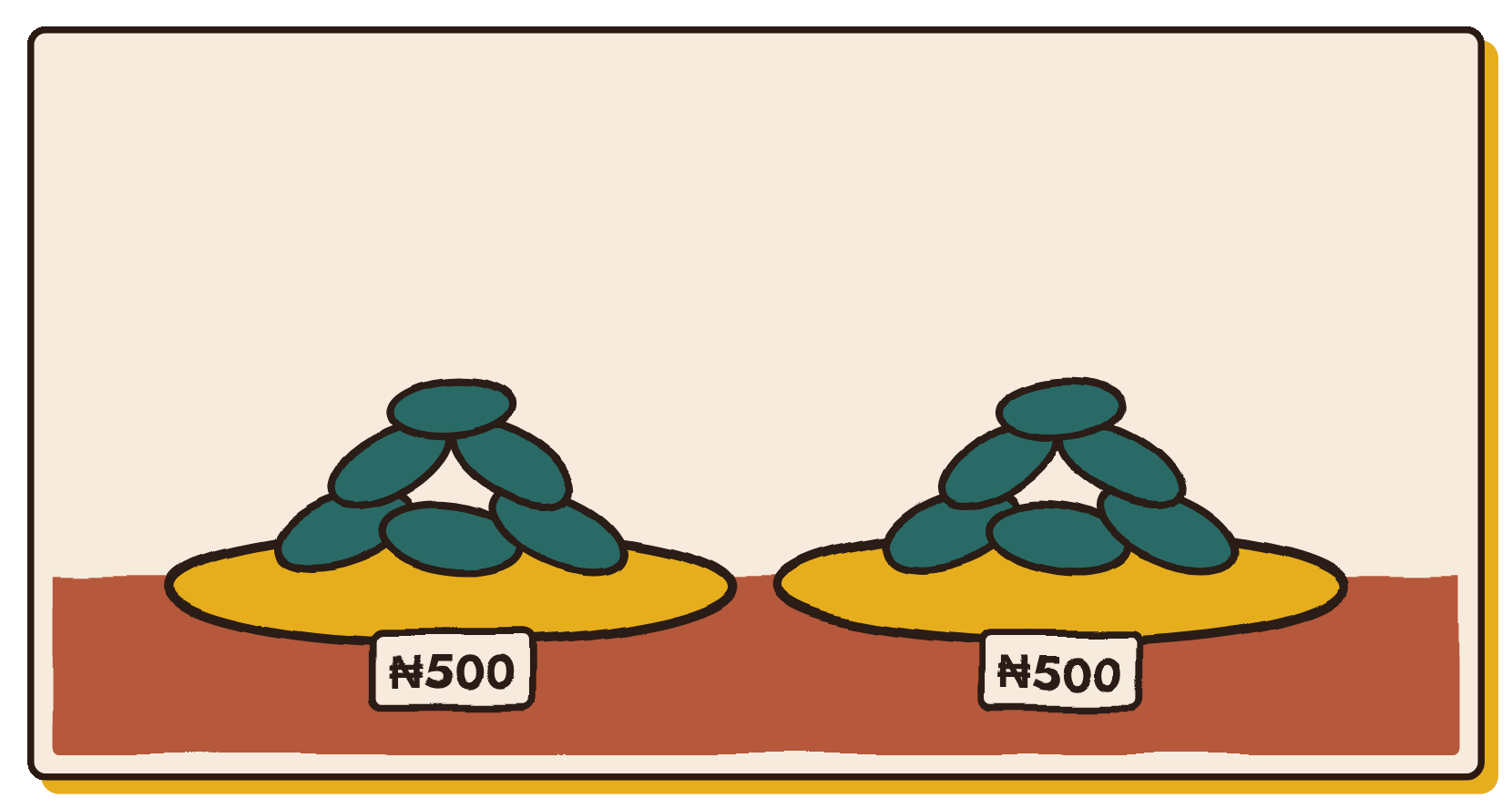
The buka sat at the junction with benches outside, and the woman who ran it stood over her pots like a general. An old man and his wife were already seated near the door, eating ilasa and amala from one plate, slowly, taking turns.

At the next table, a young couple was filming their food.
“Guys, the whole world is watching,” the young woman told her nineteen viewers. “We are live from the twin capital. Drop your comments.”
Mohamed and Fatmata ordered and sat. The buka woman put down two plates and two spoons and studied them.
“You people are not from here.”
Mohamed had been listening to the conversations around them.
“Madam, one question. Why is everybody speaking Yoruba?”
The buka woman looked at him. “What should we be speaking?”
“Igbo. This place is Igbo-Ora, yes?”
She stared at him for a moment, then burst out laughing.
“Oga, you came all the way from Sierra Leone because of something you read on the internet, and you did not read that this place is in Yorubaland?”
“I did extensive research,” Mohamed said.
“Next time, extend it more.”
Nigerian sarcasm at its most lethal.
After a pause, Fatmata pushed on. “We came for the Yam,” she said.
The buka woman laughed again, this time so loudly that the old man looked up. “Everybody came for the Yam.”
And she sat down and gave them the gist about the Yam.
At the edge of town lived a farmer the whole town called Deacon. Behind his back, though never to his face, they gave him the title of the Twin Manufacturer, which was also firmly printed on his 1986 Benz V-boot licence plate. His mother had waited ten years without a child. One season, she ate a strange two-headed yam, The Yam, that came from one vine with two tubers joined at the head, and within the year she had Deacon and his brother.
Deacon grew up, found Jesus, and became his number one executive assistant. He told anyone who asked that every twin in that town was the Lord’s handiwork and the Yam had nothing to do with it. Still, every year the vine came back on his farm, and every year Deacon guarded it like gold. He let nobody near it who could not prove they were godly.
“How does he know who is godly?” Mohamed asked.
The buka woman looked at him with pity. “Don’t worry, you will see.”
The rules were simple. When the leaves turned, Deacon opened his gate once, at first light. The first wife whose hands touched the vine won the Yam. “Husbands no touch am at all,” she said. Husband and wife peel the Yam together the next morning, one knife, two hands on the handle, then pound it together and eat it with ilasa from one plate, every bite taken in pairs.
“And then,” she said, “you go home and start saving for two school fees.”
The old man near the door put his spoon down. He told Mohamed, without being asked, that he was a twin. His brother had died when they were nine. “I want two,” he said. “One for me. One for him.”
Mohamed put his spoon down too.
The buka door banged open and a large man barged in, and after their initial shock, the whole buka erupted.
“Ah! Captain!”
“Captain! Captain!”
He raised one hand like a man who had been carried on shoulders before, and sat heavily at the corner bench. When the noise died down, the table beside him leaned in to each other.
“Dat na Captain, shebi?”
“Na him face o. But with that belle, I no know o.”
His wife, in a tracksuit, sat beside him and stretched her hamstrings. They wasted no time ordering three wraps of amala and efo riro, no meat. Only stockfish.
Outside, a black SUV big enough to need its own gateman pulled up. The driver opened the back door, and a tall, lanky man and his wife walked regally to the buka, faces wrinkled with high expectations about to be disappointed, him in a white agbada, her resplendent in aso oke and a gele that briefly blocked the sunset.

The livestream couple jumped up first.
“Ah! Daddy! Mummy! We see you o!” The young woman swung her phone around. “Guys, look who is here. Daddy of the crusades. The man with the gold Bibles. God bless your ministry, sir!”
“Amen,” said Mummy, before Daddy could open his mouth.
The buka woman asked what Daddy would eat. Mummy said Daddy would have water. And was Daddy also here for the Yam? Mummy said Daddy was here for the Lord’s work, and sometimes the Lord’s work involved special yam that would bless him with double.
A voice Fatmata knew rang out from the doorway.
“Fatmata! Fancy meeting you here!”
Musu stood there in a travelling wrapper, holding a cooler. Behind her was Sorie, her husband, holding another cooler.
Fatmata folded her arms. “So the voice note was because you wanted company to get the Yam?”
“Of course, cousin,” said Musu. “Who travels alone? But the Yam is a free-for-all.”
Musu’s husband set the coolers down and sighed. “Six girls, Fatmata. Six. We just want two boys, this one time, and then we shut down manufacturing.”
Fatmata turned to Mohamed as she shook her head. These ones were talking about shutting down manufacturing, meanwhile Mohamed and Fatmata’s assembly line was sputtering.
A small boy ran in barefoot and whispered something to the buka woman. She wiped her hands on her wrapper slowly and spoke without raising her voice.
“Deacon don see the leaves turn. Gate go open first light.” She looked around the buka. “And Deacon farm far o. Anybody wey no commot now no go see yam to chop o.”
For a moment, the buka was dead silent.
And then, on your marks, get set, go. Every chair scraped at once. The Captain knocked over a bench with his belly. The livestream wife told her nineteen viewers to pray for her. Mummy rose and snapped her fingers once, and by the time she reached the door, the driver had the engine running. Daddy floated silently behind her.
The old man and his wife did not move. They went on eating slowly from their one plate. As Mohamed ran past, the old man caught his sleeve.
“Go,” he said. “Run for us.”
Chapter four


Mohamed and Fatmata ran outside to their car. It coughed once, sighed wistfully, and passed out.
Mohamed looked at it. “Everything wey get engine.”
They were still standing over the gassed-out vehicle when the molue came round the junction. It was going somewhere else entirely. It had wandered very far from its city, yellow and dented and full of people going home, among them a market woman with a basket of tomatoes on her lap. A sticker on the door read No Weapon Fashioned Against This Bus Shall Prosper, and the conductor dangled beside it, shouting a destination that sounded like a place that may or may not exist.
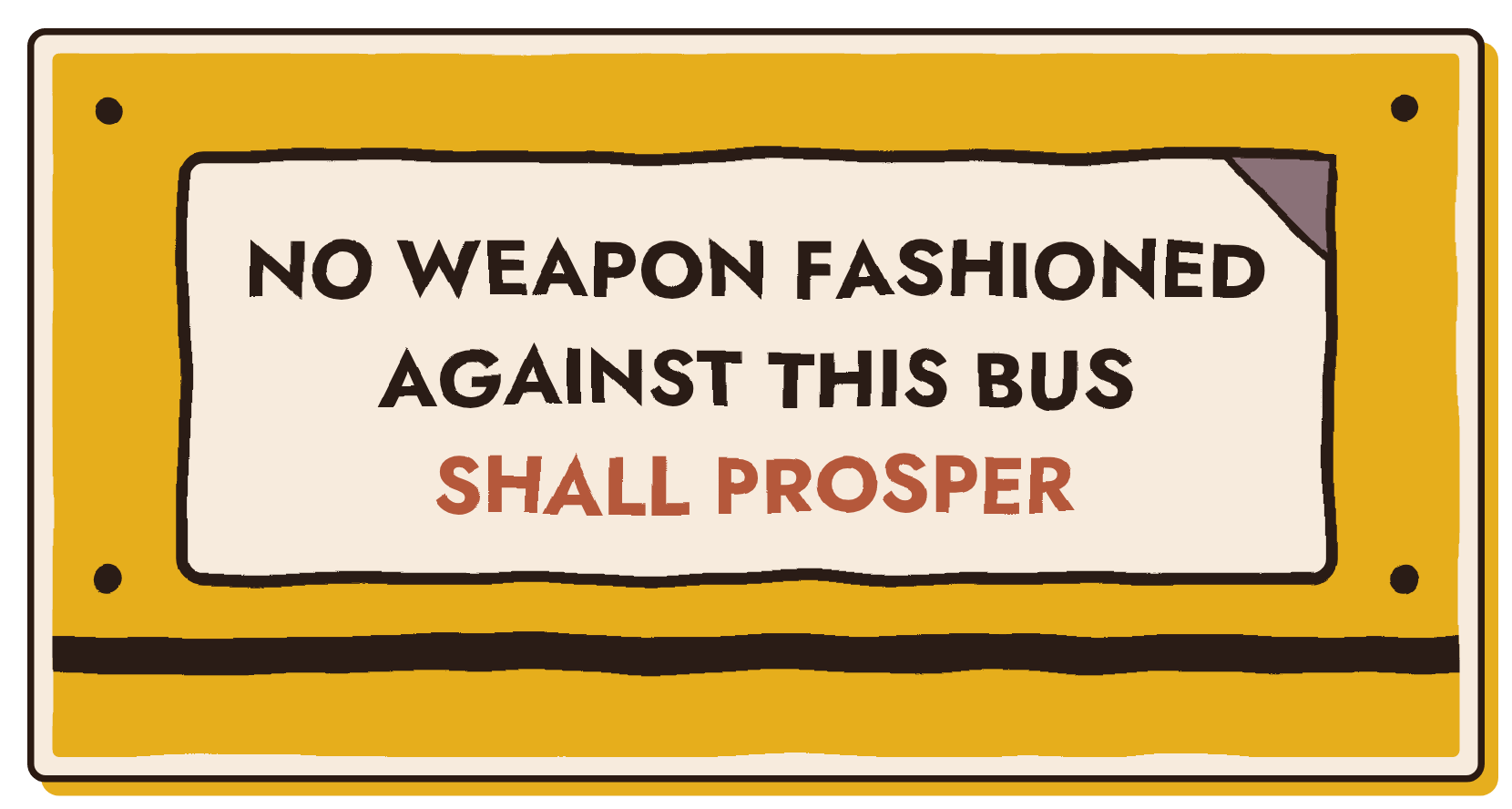
Fatmata stepped into the road and raised one hand.
The molue stopped hard. The driver jumped down and came round the front, incredulous, ready to confront this crazy woman who did not know that wahala was his middle name.
“Madam, I see say you wan test me this evening, eh Madam?”
“Boss,” said Fatmata, in her best Krio, “wi get wan mission.”
The driver turned to the conductor. “She say she get mission o.”
“Na lie, which kin mission?”
Mohamed stepped forward. “There is a race to Deacon’s yam farm. The gate opens at first light. If we reach there first, there is an extra hundred thousand naira for you.”
The driver stopped laughing. “Ah, na James Bond matter be this o.”
“E pass James Bond at this point, walai,” said Mohamed.
The conductor looked at the driver. The driver looked back at the conductor and tilted his head twice to the right.
“Give us five minutes,” the conductor said.
He walked to the middle of the road, cupped his hands, and shouted.
“Twin Yam farm! Last stop! Double blessing! Enter with your wife, come out with your future!”
Most of the current passengers got off, complaining about the broken promise of whatever destination they had hopped on for. Some stayed just for the adventure; it’s not every day you get to do a James Bond mission. The molue filled again fast. The Captain and his wife got in. The livestream couple got in, filming. A market woman already on the bus announced that she knew the way to Deacon’s farm because her sister had twins twice in a row, and moved to the seat behind the driver to direct him.
Across the junction, Musu was already negotiating with a second molue while her husband loaded the coolers.
The two molues left the junction side by side and sped out onto the dark road with no light except headlamps. Bats out of hell, thought Mohamed, as he attempted with futility to put his seatbelt on.
Half an hour later, they caught up with the SUV. Their molue driver flashed his lights and leaned on his horn. Daddy’s driver moved to the middle of the road and didn’t budge.
“Ah-ah!! Pastor, shift now. We-re!” the conductor shouted from the door.
For the next few kilometres, the molue sat on the SUV’s back bumper while Musu’s molue pulled level beside them. Then the road opened up from one lane to two, and the SUV pulled away in a cloud of dust.

The conductors hung from their doors and traded insults across the gap. The Captain, who had played in stadiums of sixty thousand, leaned forward and gave the driver tactical advice.
“Overlap on the left. Overlap! Now cut inside.”
The driver, who was still getting over the fact that he was on a mission with the one and only Captain, did exactly that, and Musu’s molue fell back.
“Guys,” said the livestreaming young woman into her phone, “we are now twenty-one people. Thank you for coming. And this may also be our last broadcast ever.”
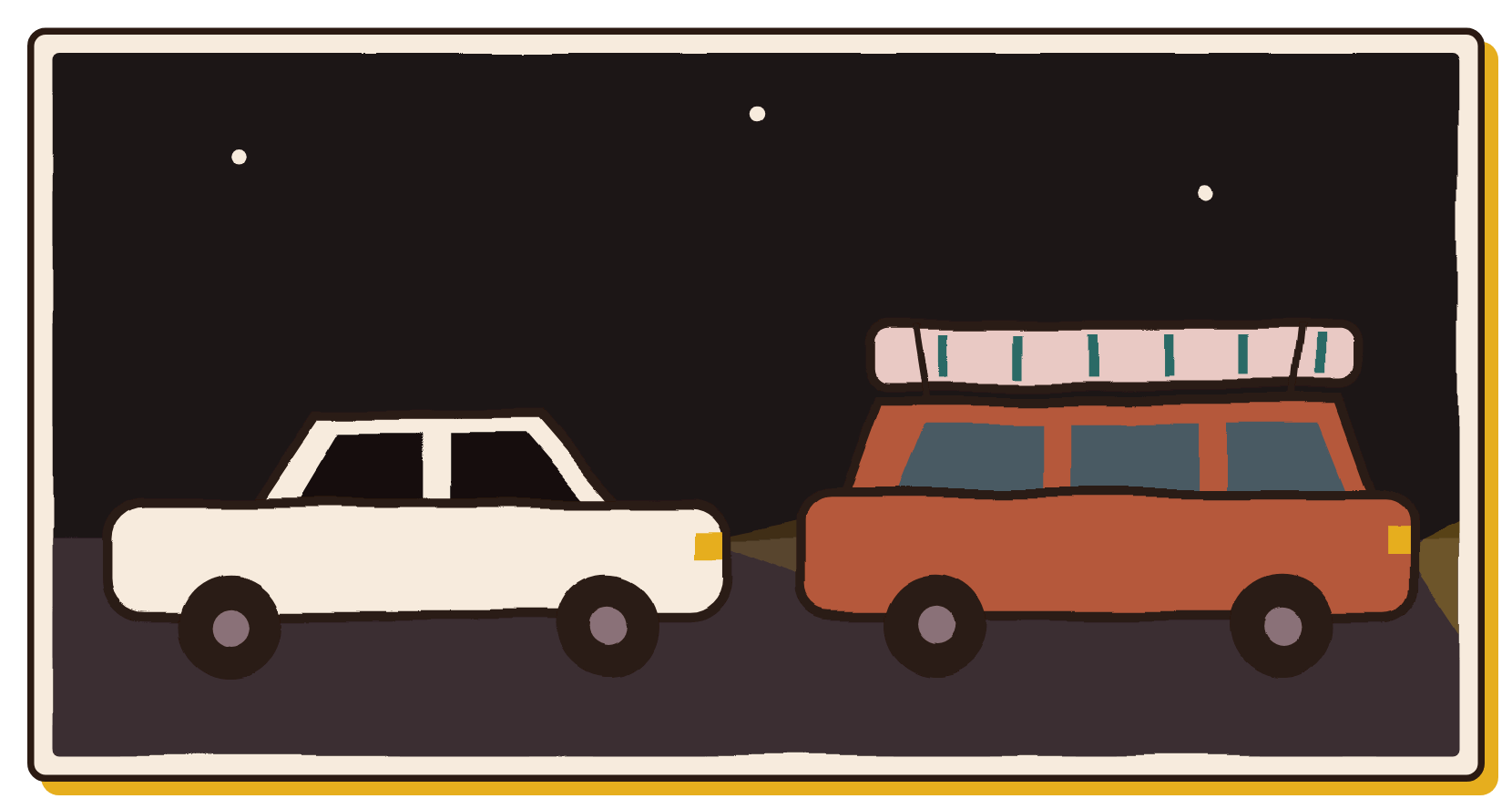
Suddenly, two cars burst out of a side road and joined the race: a white Toyota Corolla with tinted windows and an old Peugeot 504 with a mattress tied to its roof. They quickly got beside the molue.
The conductor leaned out of the door and shouted at them. “Who una be? Una too dey find yam?”
It was like the cars were phantoms from some otherworldly portal. They kept pace with the molues for an hour, weaving in and out of lanes, and then as abruptly as they came, they turned off at a fork in the road and were gone. The driver and the conductor looked at each other and shook their heads. Their wahala came and went just like that.
A few kilometres from the farm, red tail lights glowed ahead. The SUV had stopped. A herd of goats was crossing the road in no particular hurry. Daddy’s driver leaned on the horn, and through the back window Mummy could be seen giving instructions to the driver, the goats, and possibly the Lord Jesus himself. The goats regarded the SUV with complete disinterest.
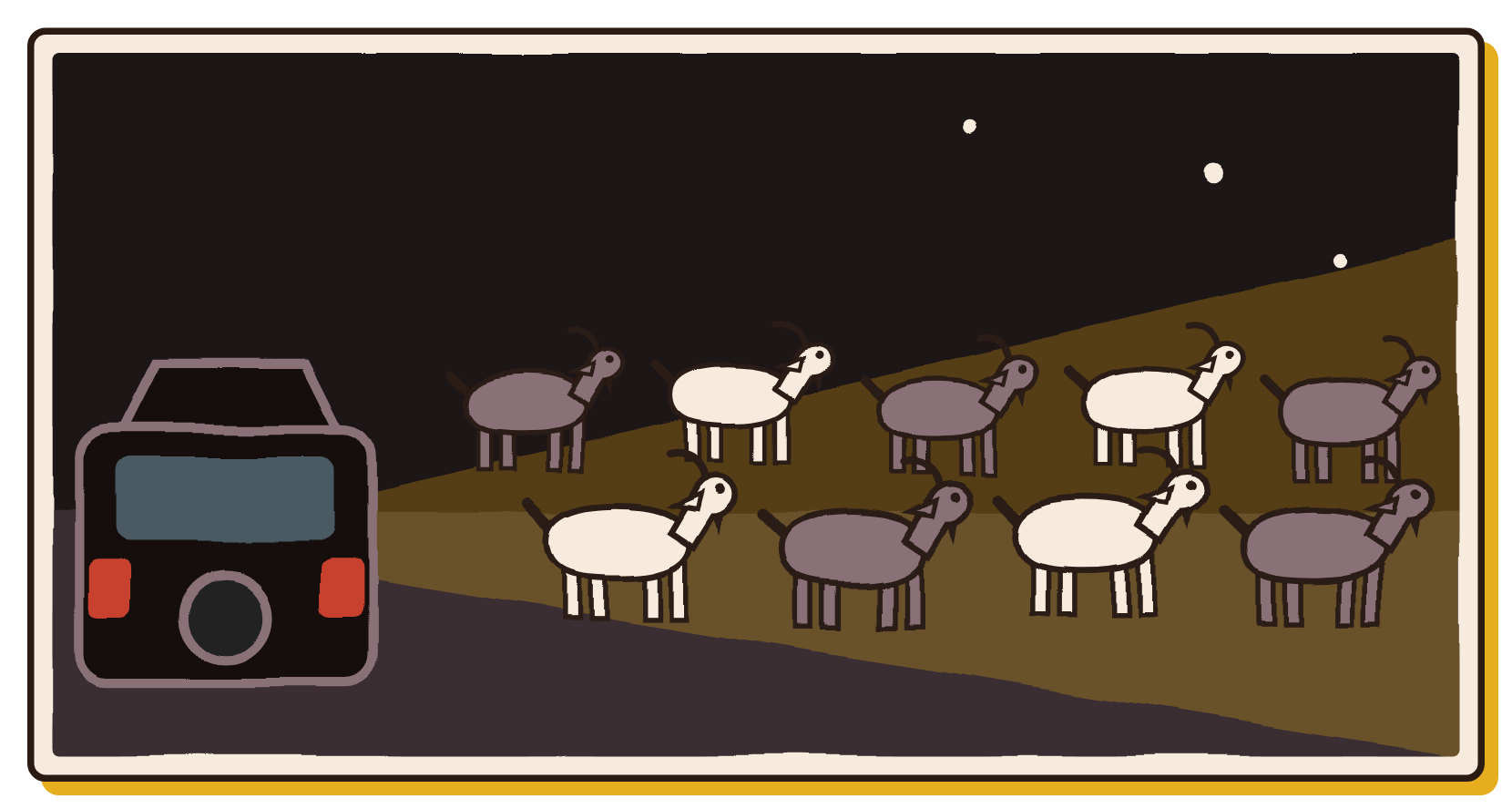
The molue driver did not slow down. He went around the goats, around the SUV, and through a petrol station forecourt, shouting greetings to the attendant on the way past.
The market woman brought out her rosary. Ok, maybe this adventure was not the one to join after all. “Jesus of Nazareth,” she said. “Jesus of this molue. Jesus of this driver. Jesus, carry us.”
Jesus was invoked substantially for the rest of the way.
They reached Deacon’s gate as the sky turned grey. Deacon was already standing under the bulb, waiting, as if he had always been standing there.
Chapter five

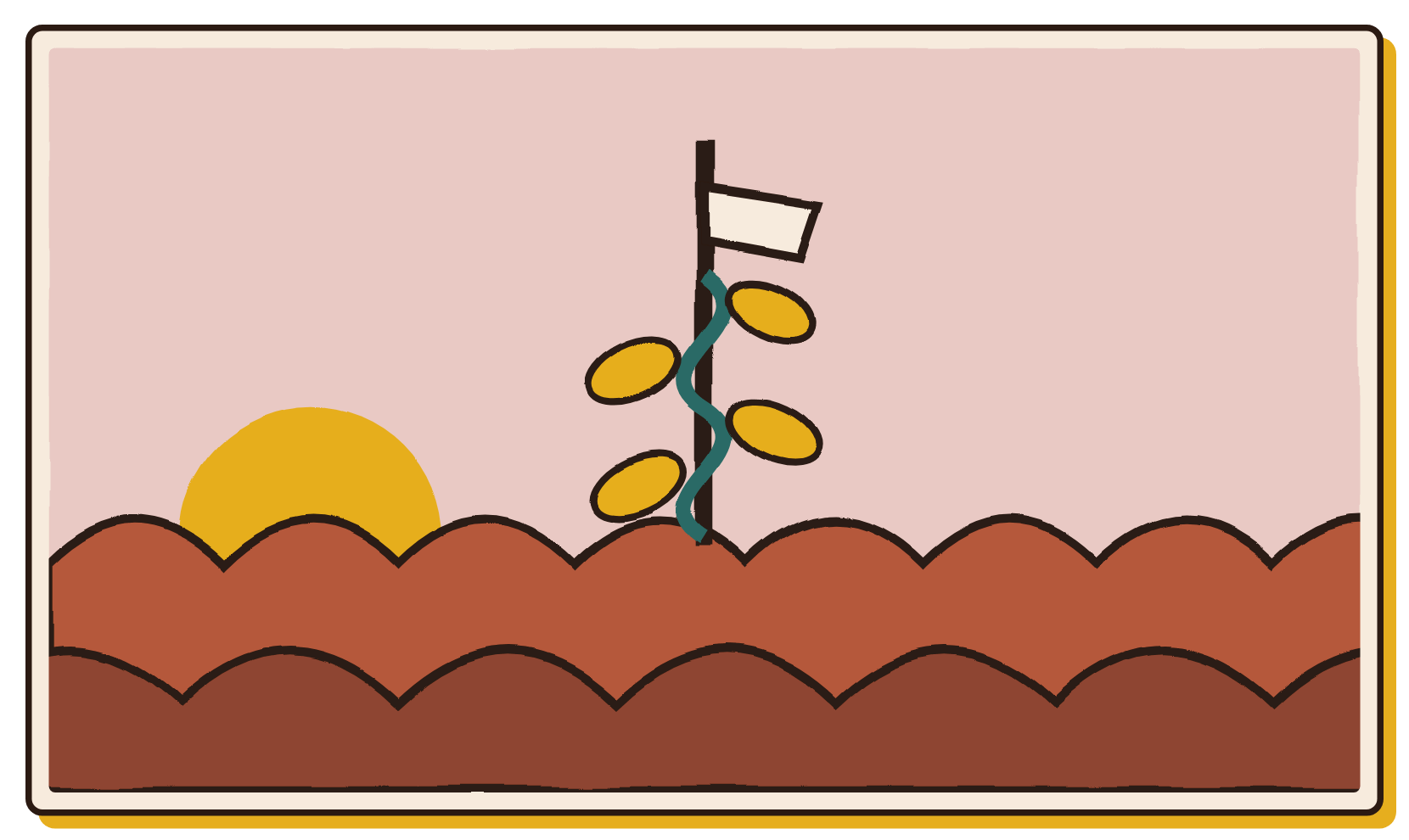
“...and deliver us from evil. Amen.”
Deacon raised his eyebrow. And Fatmata gave Mohamed the side eye.
From behind the fence, the molue driver and conductor, who had parked the molue and refused to leave until they saw the end of this thing, both mouthed the missing words.
Mohamed, educated by Catholics and now about to be denied his destiny by Jesus’s number one executive assistant, read their lips. Ah, yes.
“For thine is the kingdom, the power, and the glory, for ever and ever. Amen.” He added a second Amen for safety. Fatmata repeated the Amen, but with a silencer on her voice.
Deacon glowered at him for a pregnant moment and then lowered his eyebrow. Slower than he raised it. He glanced over at Daddy and Mummy.
Daddy cleared his throat. Mummy nudged him. This should be easy.
“Our Daddy,” he began, “who is up in heaven. Holy, holy is your name. Your kingdom should come. Your will should happen, down here on ground, the same way it is happening up there.” His cadence and voice level increased as he got into it.
Mummy closed her eyes. “Eh, God.”
“Give us today our daily provisions. Forgive us our debts, as we may or may not also have forgiven all the people that we helped that are owing us. In fact, FATHER!! Lead us far away from temptation o, and deliver us from our enemies, because if they touch us, you will punish them with alacrity. Amen?”
Deacon pointed at the SUV.
Daddy began to explain about the size of his congregation and how they love him and worship him. And Jesus.
Deacon pointed again.
Mummy got up and dragged Daddy, who was still arguing with Deacon, to the SUV.
The Captain recited his prayer like a half-time team talk. The livestream couple gave theirs straight to the camera. Musu and her husband also passed the Lord’s test.
Deacon then opened the gate. The farm was a long field of mounds in neat rows, and right in the middle, on a single stake tied with a strip of white cloth, grew one vine whose leaves had turned the colour of old gold.
“Nobody runs on my farm,” Deacon said. “If you run, you will fall. Jesus will trip you. There will be no tools, only your hands. The first wife to touch the vine wins it. Husbands, touch it and see what happens to you.”
What followed was a walk so furious that a farmhand stopped her weeding mid-way to watch, still bent over. They took off and headed straight for the vine. Wrappers were hitched, sleeves rolled. The Captain’s wife, a natural athlete, took an early lead, while the Captain walked behind her calling out positions. The livestream husband walked backwards to film the amazing race, tripped over a mound, and kept streaming from the ground. His wife got distracted as she was convinced the feed was now messed up.
Musu’s husband broke into a small jog. Deacon pointed at the gate without a word, and Musu’s husband walked back with his head down, while Musu stopped to shout at him for not supporting her at her time of stress and need.
Ten steps from the white cloth, the Captain shouted “Left side! Left side!” one time too many. His wife turned around to tell him to shut his mouth.
Fatmata walked past her. She had not looked at anyone the whole way. Mohamed watched her as he remembered her mantra: I eat focus for breakfast. She walked the way her mother walked into a market on a Saturday, fast and without wasted movement, and she reached for the white cloth and put both hands on the vine.
Deacon arrived behind her and nodded once. “The Lord has chosen,” he said.
He knelt and dug with his own hands. Out of the red earth came two tubers joined at the head, like two fists pressed together. He wrapped them in a cloth, handed them to Fatmata, and put a single knife into Mohamed’s hand.
“Tomorrow morning,” Deacon said. “Together. One knife. Two hands. And it was God.”
Chapter six

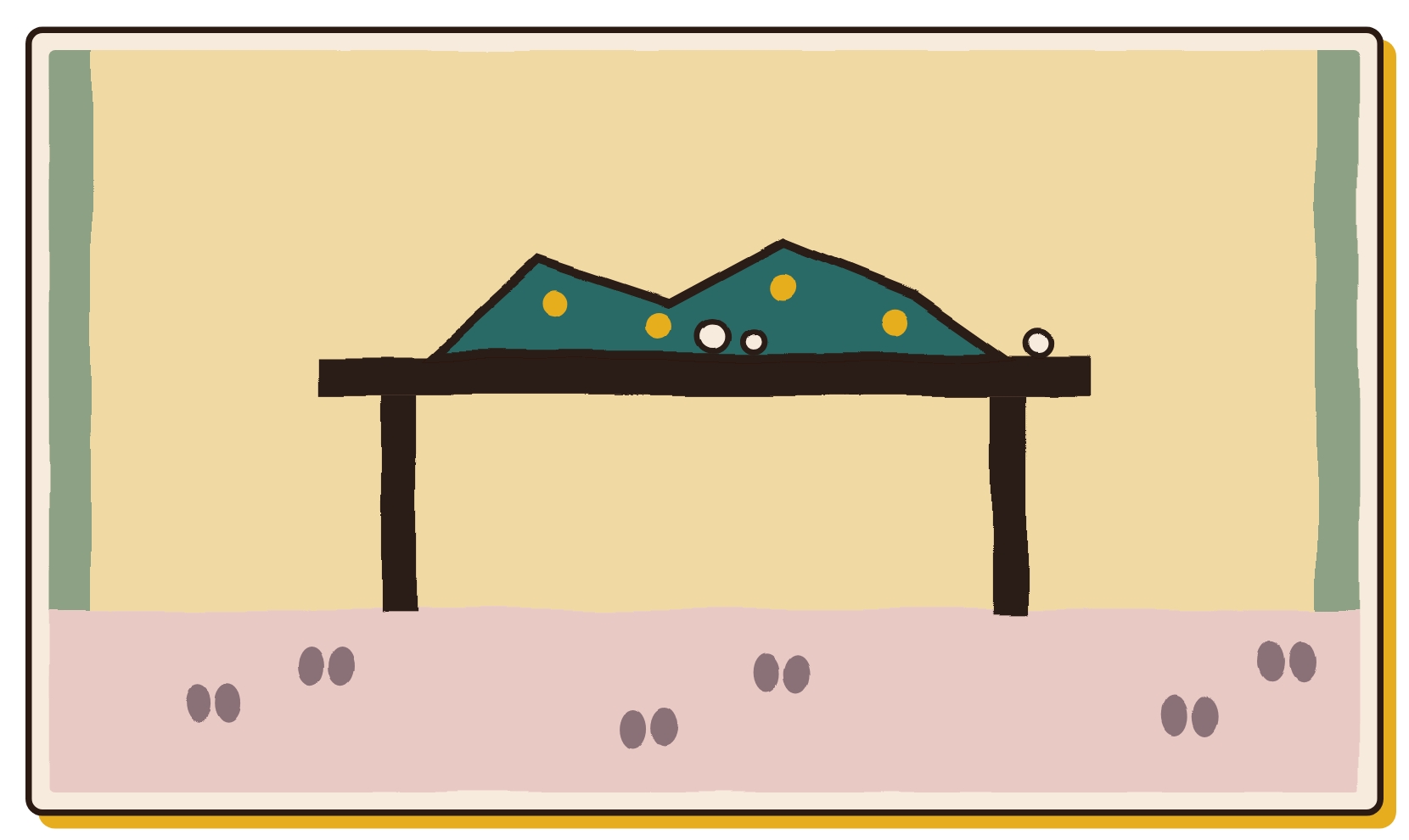
That night, the guesthouse near the farm did not allow food indoors. So the Yam slept outside, hidden from view, wrapped in Fatmata’s wrapper. Deacon said the Yam had chosen them; anyone else who ate it would not get anything from it. The knife slept in Fatmata’s handbag.
At sunrise, they came out with the knife between them, both their hands on the handle, solemn as a wedding.
Three goats were on the veranda, strays from the herd that had stopped the SUV on the road. The wrapper had been nosed open, and they were working through the twin Yam with steady, peaceful jaws.
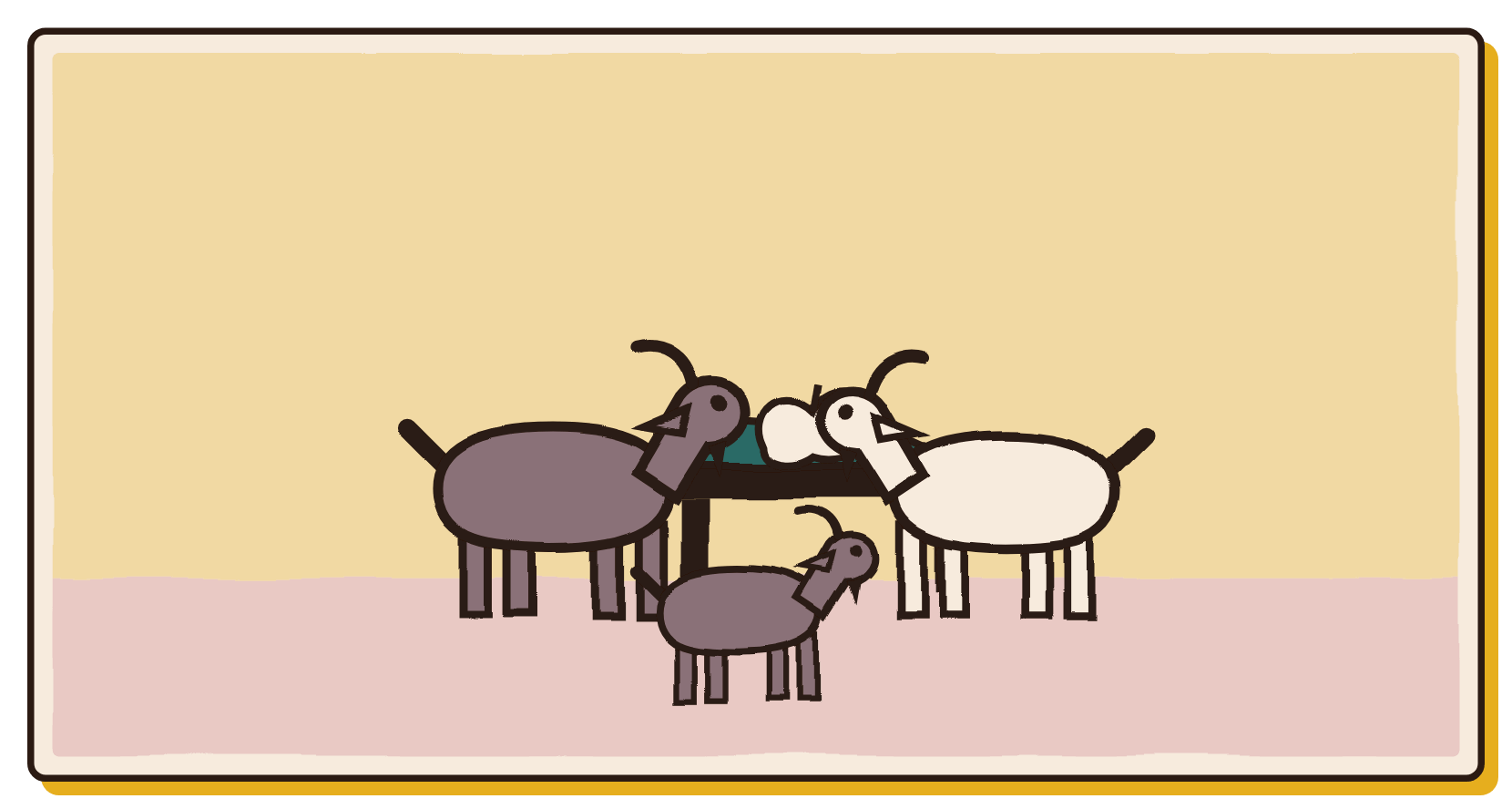
Mohamed and Fatmata stood there for a long moment, the knife still between them.
One goat looked up at Mohamed with complete disinterest and then went back to the Yam.
Mohamed sat down on the step. “Everything wey get engine go rest one day,” he said.
“Goats no get engine,” said Fatmata.
“Exactly,” said Mohamed, though he was not entirely sure what he meant himself.
Fatmata shooed the goats off the table. She gathered whatever they had left behind, folded it into her headscarf, tied it twice, and put it at the bottom of her handbag. Mohamed watched her and did not ask.
✦ ✦ ✦

The woman telling the story pulled a cover over her three-year-old twins, a boy and a girl, who had fallen asleep by the time the story reached the part about the molue. She switched off the light and went out to the parlour.

Her parents were sitting together on the settee with the television on low.
“Aminata,” her father said. “You are still telling them that story.”
“They ask every night. They never reach the part about me.”
“Nine weeks pregnant, the doctor said,” her mother said. “You were there with us on that molue the whole time.”
Aminata sat down beside her.
“Were you with your cousins today?” Fatmata asked.
“Auntie Musu’s girls? Mama, those women were really twinning today. Same dress, same shoes, same attitude.”
Mohamed laughed. “Eight girls. And that man said he was shutting down manufacturing.”
Aminata looked at her mother. “Mama. What did you ever do with that headscarf?”
Fatmata picked up the remote. “Which headscarf?” Aminata glanced at her father.
Mohamed studied the ceiling.